
Together, we're investing in a better future.
A better world does not emerge by accident.
We create that world through the choices we make about where we place our resources, how we invest, and what we choose to finance.
That is where RSF comes in.
For more than 40 years, we have provided financing for the real economy: the farms, food businesses, renewable energy companies, schools, and community enterprises that people depend on every day. And we have done it with capital entrusted to us by investors who believe their money can do more than generate returns; it can regenerate the future.
In 2025, that mission felt more important than ever.
Last year, traditional banks continued to retreat from small business lending as federal support withdrew from renewable energy and regenerative agriculture. Despite their work being more important than ever, mission-driven enterprises struggled to find the financing they needed to do it.
RSF and our community responded.
- Investors mobilized a record $23 million in new net investment into RSF’s Social Investment Fund, bringing total investments to more than $157 million.
- Those investments helped us commit $38 million in new loans to organizations advancing renewable energy, regenerative agriculture, education, and community well-being.
- Those new investments and the new loans they supported fueled a 30% growth in our active portfolio, bringing our total loan commitment to $143 million by the end of 2025.
- At the same time, our donor-advised fund clients facilitated more than $50 million in grants to 1,199 mission-driven organizations, demonstrating the essential role philanthropy continues to play alongside investment capital in a healthy regenerative financial system.
Look at the headlines alone, and you see a year defined by uncertainty. Look beyond them, and you see something else: entrepreneurs building, communities organizing, investors stepping forward, and donors deepening their commitment.
That's the story of RSF in 2025.
Throughout this report you’ll meet some of the entrepreneurs, investors, donors, and partners who made that story possible. I hope their work inspires you as much as it inspires me.
With gratitude,

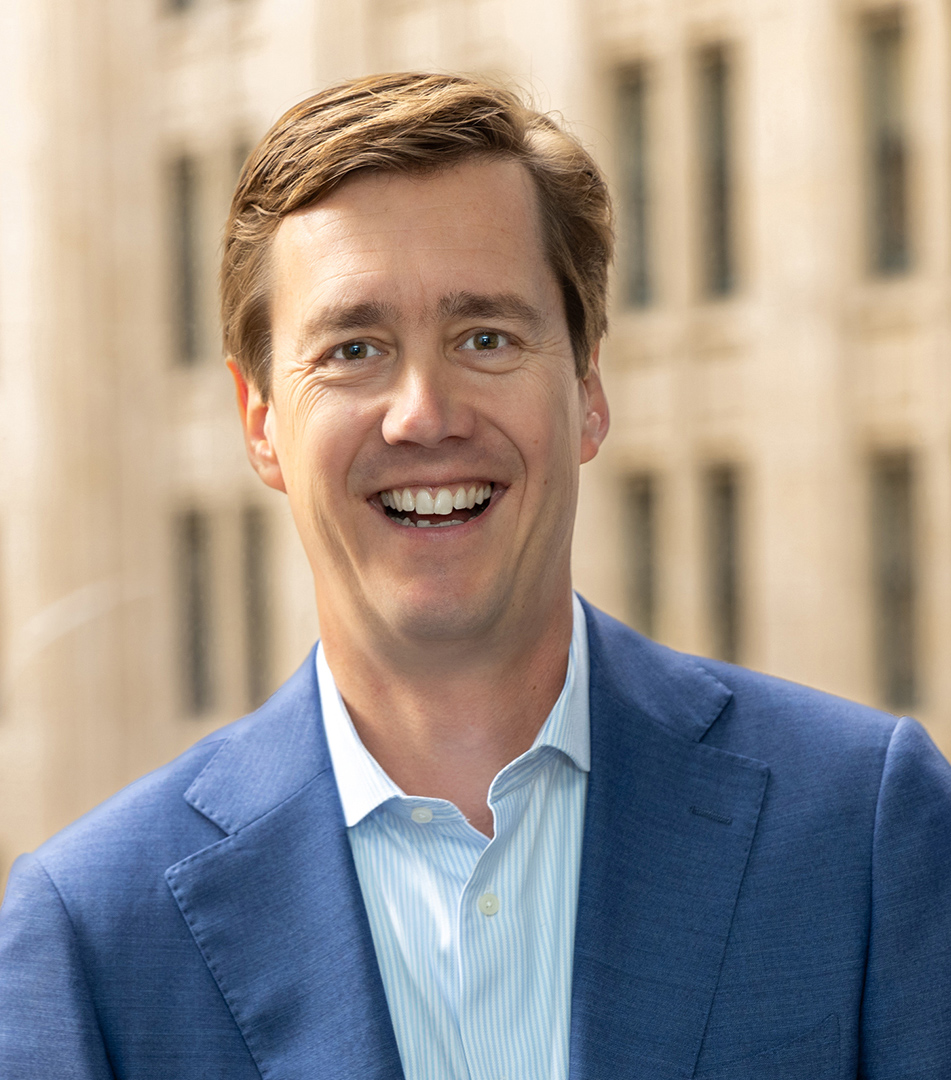
Jasper van Brakel
President and CEO, RSF



Impact by the Numbers
Invest
In 2025, 1,170 impact investors invested more than $157 million through RSF’s Social Investment Fund. $23 million of that was new net investment in 2025.
Deploy
That regenerative investment supported an active portfolio of $133 million, including $38.5 million in new loans committed in 2025.
Impact
RSF investors support women’s leadership. 41% of the borrowers RSF supported in 2025 have a woman executive director or CEO.
They also support BIPOC leaders. 25% of the borrowers RSF supported in 2025 have an executive director or CEO who identifies as a person of color.
They jumpstart growth. RSF loans catalyzed nearly $153 million of further investment into our borrowers in the form of debt capital, equity, and grants.
They have wide-reaching impact. Collectively in 2025, RSF borrowers directly reached more than 535,000 people with their programs and services.
RSF’s borrowers measure impact in a variety of ways that make sense for their respective missions. The impact numbers presented in this report are a representative sample of our borrowers’ impact; their true impact is far greater!
Financial Innovation
In 2025, we launched financial innovations that helped capital flow to the people making the world a better place.
DAF Mobilization Project
Starting in 2025, we waived donor advised fund fees for clients who choose to invest their DAFs into the Social Investment Fund.
Catalyst Fund
Donors who support this fund guarantee 40x the amount of their donation in loans to social enterprises.
Strengthening Our Impact Framework
In 2025, RSF partnered with the Sorenson Impact Institute to strengthen how we understand and communicate impact across our portfolio. While impact has always been central to our underwriting and borrower relationships, this work helped us move from measuring outcomes one organization at a time, and toward a more consistent portfolio-wide framework. By identifying the metrics most commonly used by our borrowers and aligning them within a shared methodology, we gained a clearer view of the collective impact our community’s capital makes possible. Throughout this report, you’ll see the results of that work reflected in the outcomes-level metrics that help tell the story of what regenerative finance can achieve at scale.
Stories of Regeneration
In 2025, we visited three borrowers to learn more about their regenerative work. In these videos, get to know our community and learn how RSF investors are powering their impact.

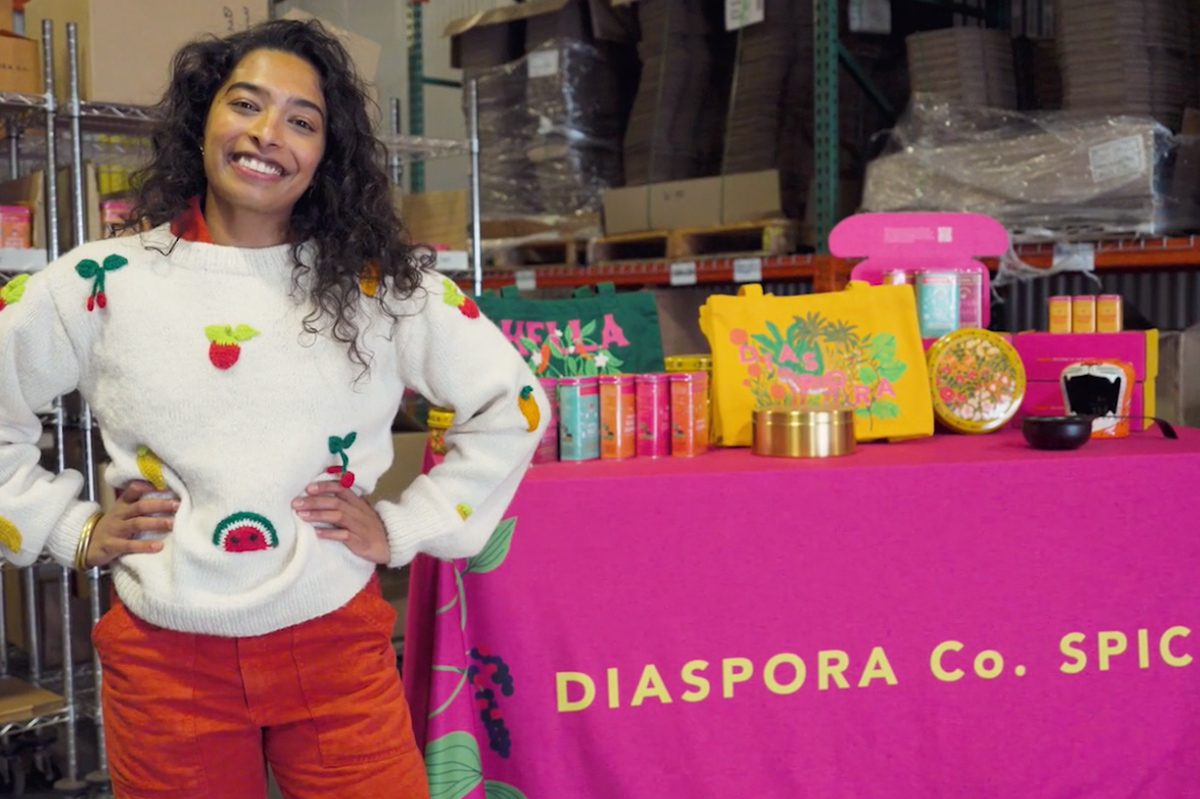
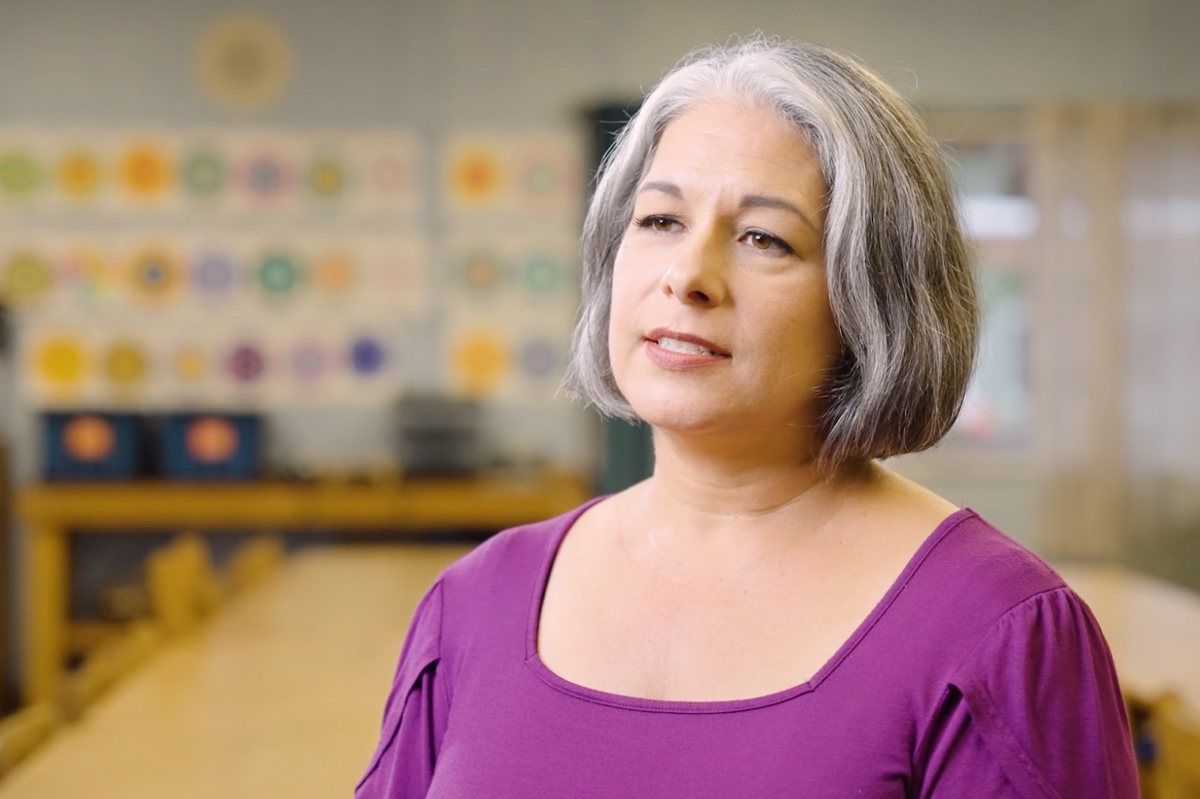
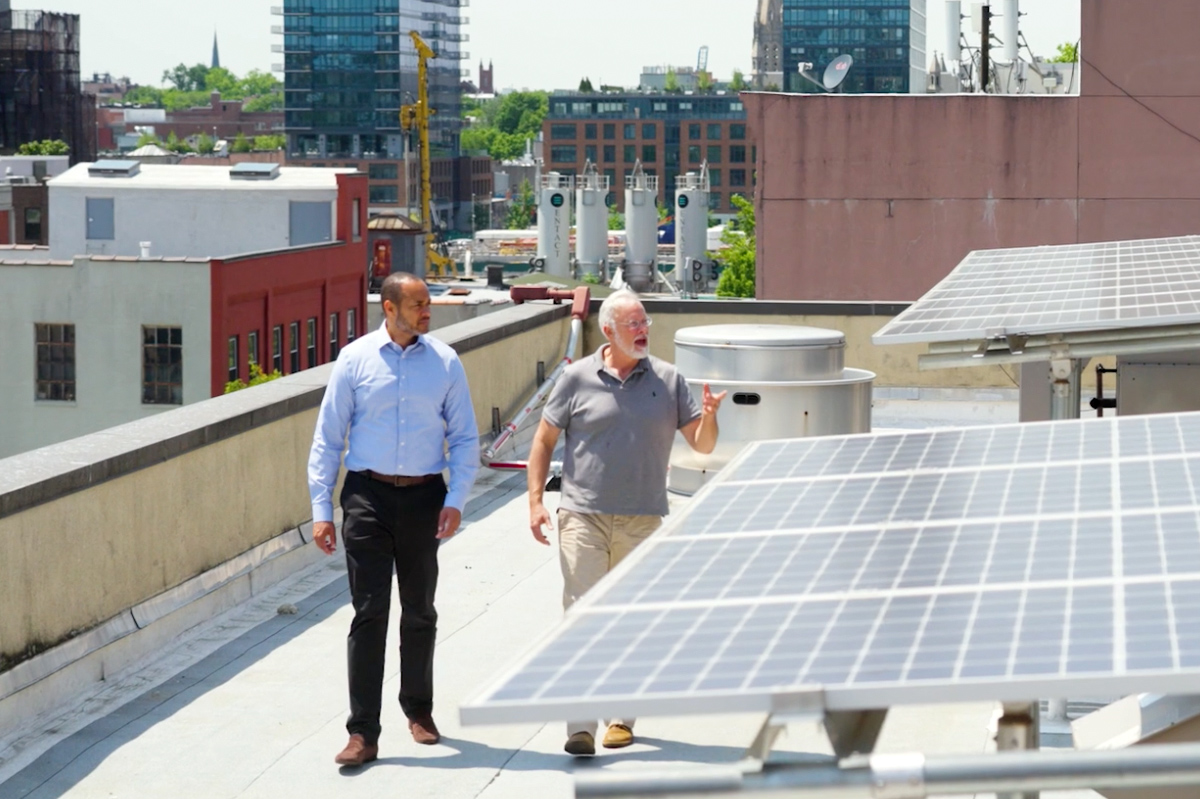

We can make sure that people and planet have the resources they need to thrive for generations. Together, we’re investing in a better climate future.
Solar power produces energy while minimizing harmful greenhouse gases. It saves people money. And it leverages the power of resources that will never run out.
The benefits couldn’t be clearer. Yet too often commercial solar developments fail to bring those benefits to BIPOC and low-income communities. Green Power Ventures addresses this disparity by intentionally seeking out BIPOC-led institutions for clean energy investments – lowering the energy costs and carbon footprint of historically Black colleges, faith-based institutions, multi-family housing projects, and more.
In 2025, RSF offered Green Power Ventures a $1.4 million loan. Green Power Ventures is using that financing to develop solar panel installations at a network of Black-owned gyms in the Detroit area. The business is saving money on energy costs – and playing an active role in the clean energy revolution.
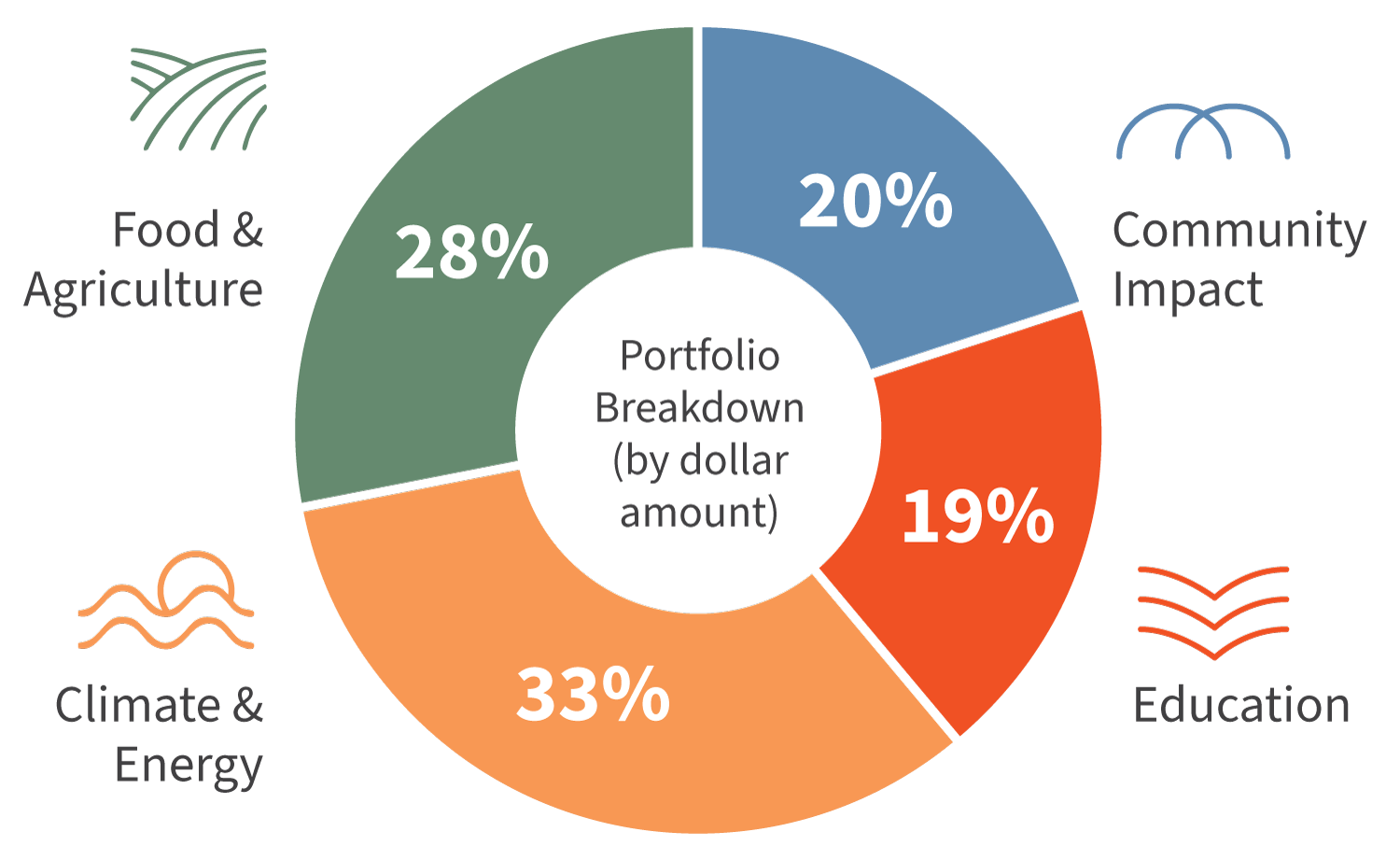
In 2025, RSF supported 14 climate and energy organizations with more than $43 million in financing, including more than $23 million in new loans offered in 2025. These borrowers include nonprofits working on climate issues, businesses pioneering advancements in recycled materials, and other clean energy developers like Green Power Ventures. Each investment we make is supported by investors committed to environmental impact.
in financing for climate and energy solutions, including $23.15 million in loans committed in 2025
climate and energy organizations
metric tons of CO2 emissions avoided or reduced
kWh of energy produced sustainably

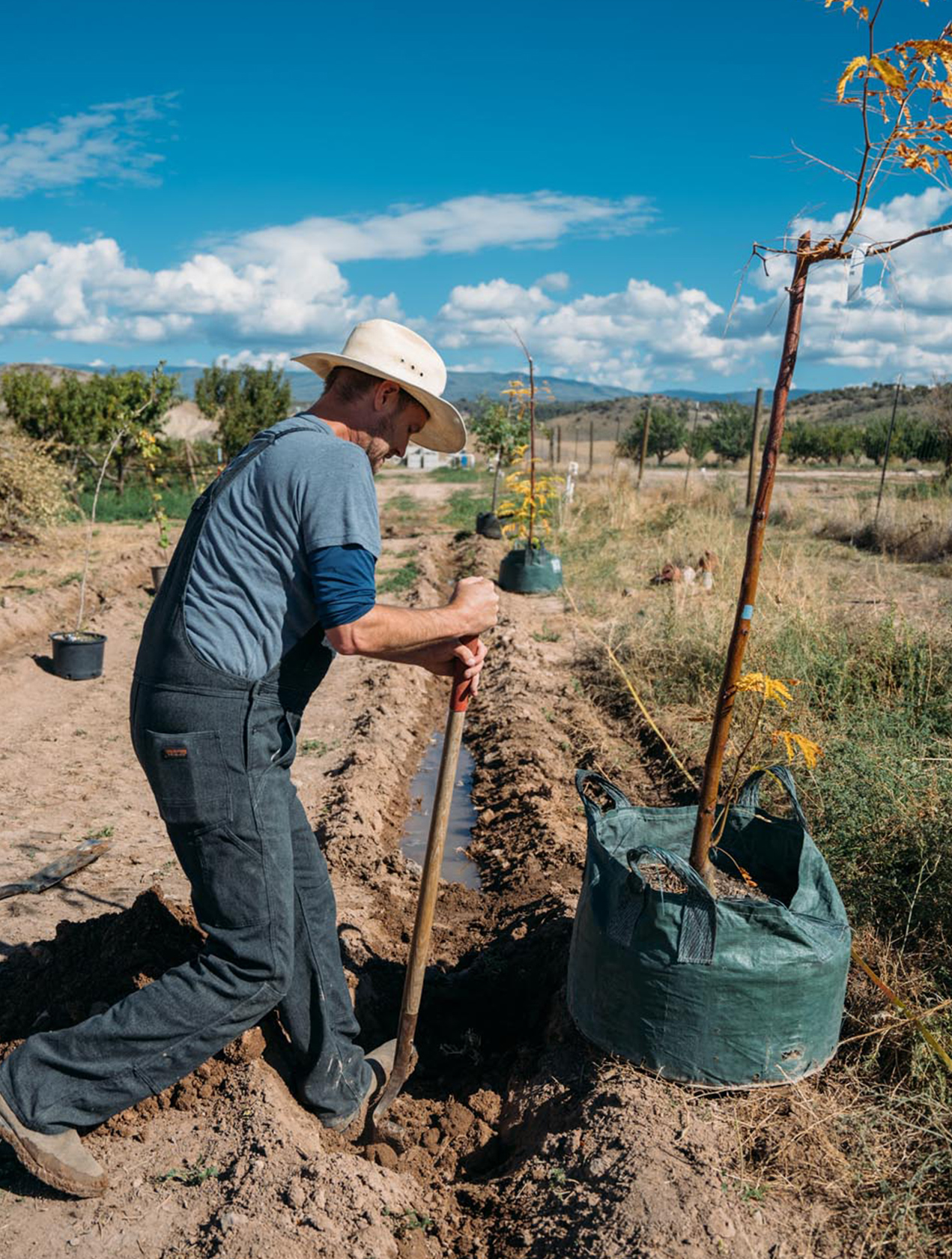
Imagine a world where the food we grow nourishes both people and planet. We’re investing in that regenerated food system together.
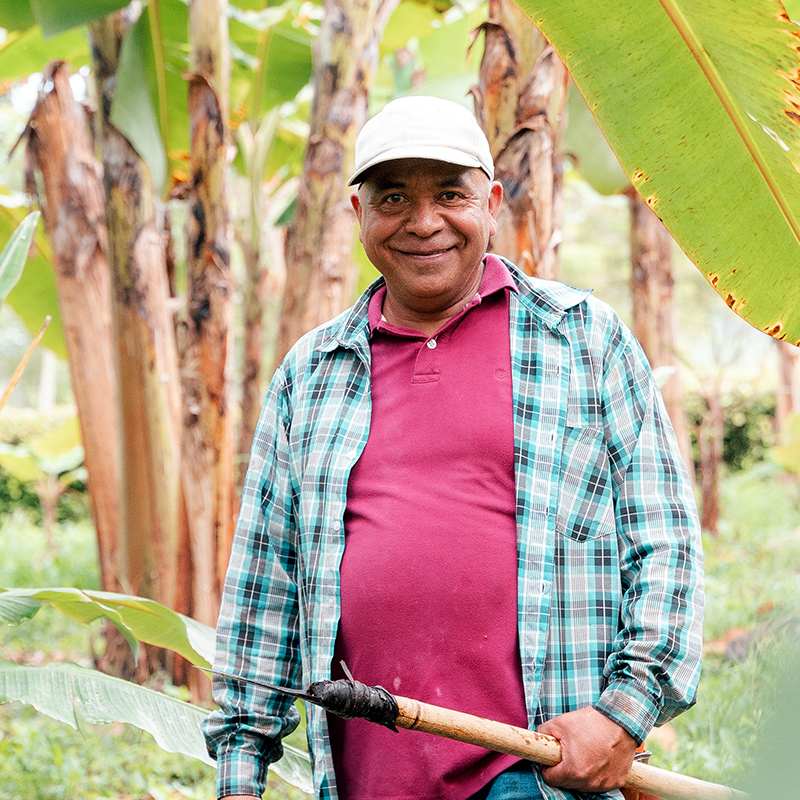
When they founded Reelie in 2014, the Guzman family made a few commitments. First, bring the healthy, delicious foods they grew up with in Colombia to consumers in the United States. Second, give people with dietary restrictions, like their mother and sister Maca, great options for tasty snacks. And third, source from farmers who practiced regenerative agriculture, and pay them fairly for their hard work.
Fast forward a decade, and Reelie has expanded to more than 600 retailers while promoting regenerative agriculture and higher wages in more than 340 plantain and cassava farms across Colombia.
In 2025, RSF extended $2.9 million in financing to the business; they’re using this capital to guarantee on-time payments for farmers and expand sustainably into new markets.
Last year, RSF supported 15 regenerative food and agriculture organizations with more than $37 million in financing, including more than $10 million in new financing in 2025. These organizations include nonprofits supporting immigrant farmworkers, lenders helping farms transition from conventional to organic agriculture, and healthy food companies like Reelie. Each investment we make is supported by a community of investors committed to building a better food system.
– Juan Guzman, co-founder and CEO, Reelie
in financing for regenerative food and agriculture, including $10.55 million in loans committed in 2025
regenerative food and agriculture organizations
hectares of land under sustainable cultivation
pounds of food diverted from landfills

We can build a world where all communities have the resources they need to thrive.
RSF finances social enterprises that increase access to the arts, health and social services, employment and workforce development opportunities, affordable housing and office space, and more. By supporting the institutions that promote thriving communities, we can create a more equitable society.
Childcare providers are a great example. Across the country, many families have a hard time finding childcare due to a lack of licensed availability in their areas. Care Access Real Estate️ (CARE), a social impact real estate fund owned and operated by Mission Driven Finance, addresses this challenge by purchasing, renovating, and leasing commercial and residential properties specifically designed for childcare.
RSF was eager to invest in this growing fund, and extended a loan to help CARE expand its portfolio in Colorado. Thanks in part to this financing, by the end of last year CARE had acquired 22 properties in Nevada, California, and Colorado, extending childcare to 168 children whose families may not otherwise have found it.
We’re proud to support CARE’s efforts to support working families with childcare, and we’re grateful to the investors who share our commitment to financing vital community institutions.

– Laura Kohn, VP of Care and Education, Mission Driven Finance
in financing for community impact, including $3.5 million in loans committed in 2025
jobs created, supported, or preserved in communities by RSF borrowers

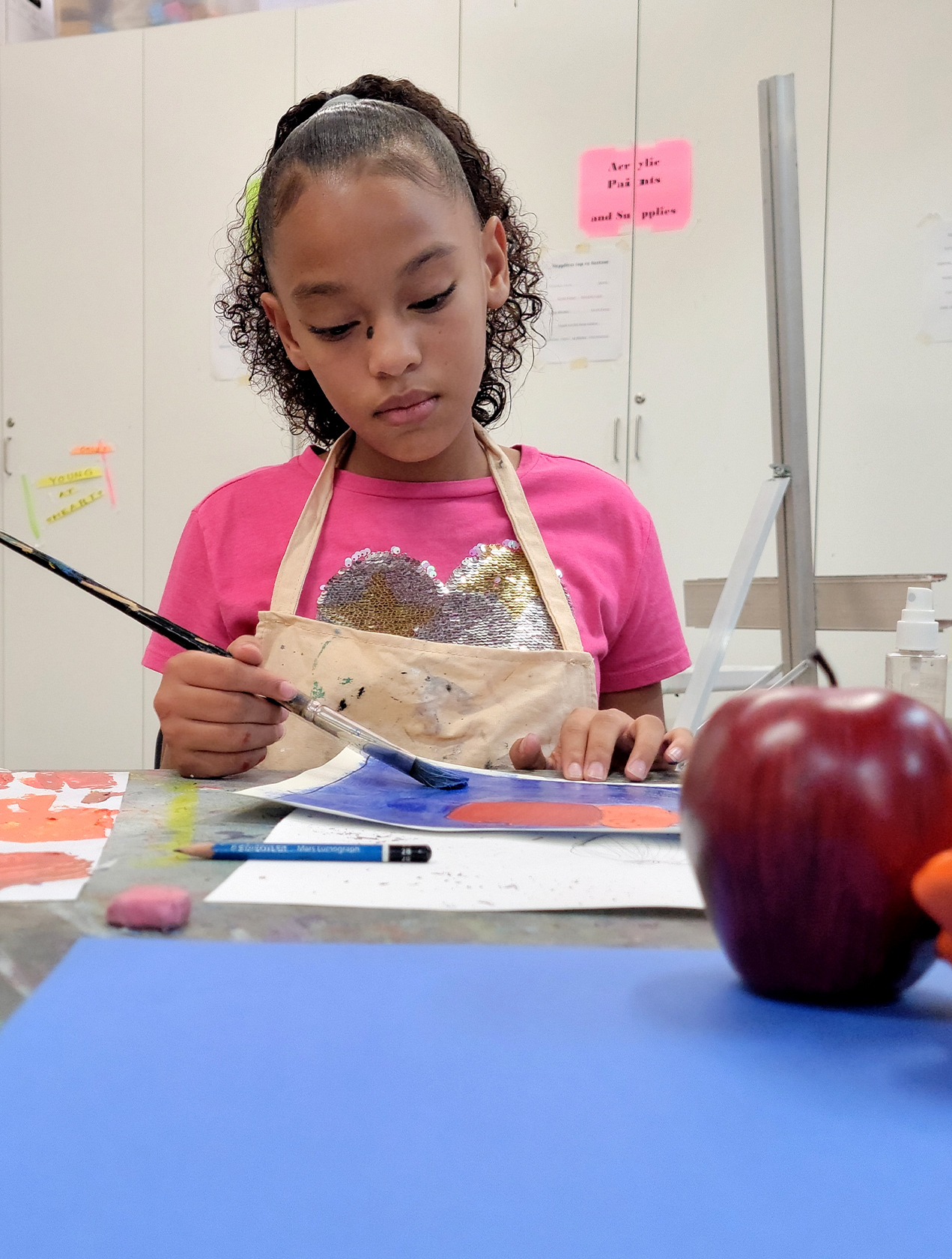
We support innovative schools that lead with care, connection, and collaboration. Together, we’re helping those vital institutions succeed.
Since our founding in 1984, RSF has invested in Waldorf schools: pioneering institutions that support children’s social, emotional, physical, and cognitive well-being throughout their development. Sadly, 2025 opened with tragedy for two of the schools in our community: both the Westside Waldorf School and the Pasadena Waldorf School lost significant portions of their campuses in January’s Los Angeles fires.
While thankfully nobody at these schools was seriously injured, many students and teachers were displaced, and treasured campus buildings were lost. The schools quickly rallied their communities to raise funds, both to support impacted families and to make critical repairs.
In the wake of this disaster, we knew that these schools needed to focus on the immediate needs of their students, teachers, and community members. So we restructured their loans, deferring loan payments until the schools were back on their feet. A year and a half onward, Westside Waldorf has successfully moved into its new home in Santa Monica, while Pasadena Waldorf has relocated to a temporary campus while it clears the debris from the original location and prepares to rebuild.
When our borrowers face challenges beyond their control, regenerative finance calls us to move with change – to remain flexible as we offer finance that supports our shared goals. We’re proud to continue our partnership with these schools and the others in our portfolio as they provide exceptional whole-child education, and we’re grateful to the investors who make that support possible.
in financing for education solutions
schools and education nonprofits financed
students served through schools and out-of-classroom programs
teachers trained by RSF borrowers
Donor Advised Funds
In 2025, our donor advised fund (DAF) clients contributed a record $78 million to 250 funds. That’s double what they gave in 2024. And they didn’t let that money sit idle. In the same year, they actively deployed $50 million in grants to 1,199 charitable organizations. They also invested more than $20 million from these DAFs into RSF’s Social Investment Fund, effectively doubling their impact.
To calculate a DAF payout rate, we divide the total grants made in the current year by the total assets held at the end of the previous year. RSF clients paid out their funds at a rate of over 75% compared to a national average of just over 25%.
A few of the organizations our DAF clients supported
Casa Frida supports and protects LGBTQIA+ survivors of violence and hate crimes in Mexico. An RSF fund holder authorized $150,000 in grants to Casa Frida to support shelter, psychological care, and economic recovery services for the clients they serve.
Trust for Public Land (TPL) is a US-based nonprofit that works to connect everyone to the benefits and joys of the outdoors. An RSF fund holder authorized a $200,000 grant to support a TPL project to restore 30,000 acres of Maine Wilderness to the Penobscot Nation’s stewardship.
Witness Radio is a non-profit network of investigative journalists, lawyers, and social workers protecting the economic, social and cultural rights of marginalized groups in Uganda. An RSF fund holder authorized $60,000 in grants to support Witness Radio’s work to protect and amplify the voices of victims of unjust evictions across the country.
Why I Give - Lynnaea Lumbard
Lynnaea Lumbard is both an investor and DAF client at RSF. She uses her DAF to organize her giving and make donations to nonprofits in her community and around the world. She invests in RSF's Social Investment Fund, helping channel capital to businesses and nonprofits working toward a more regenerative and equitable economy.
Lynnaea recently sat down with RSF's head of communications Will McAneny to discuss her approach to philanthropy and impact investing – and share how RSF helps her do both. This interview has been condensed from its original form.
You talk a lot about the concept of "story." Why are stories so important to you?
We’re not made of just cells. We’re made of stories. And right now, we’re in what I call “story wars.” We’re living in one story that comes out of survival of the fittest, and we live that as if that’s who humans are.
But there’s another story that isn’t about that. I’m talking about higher levels of evolution, where collaboration and cooperation are what actually make an ecosystem work. That community is important. Winning isn’t the top thing in the world.
That’s a beautiful story. How does your relationship with money fit into it?
Until I was 46, I didn’t really know my history. My great grandfather was a pioneer in West Texas raising cattle in the late 1880s. He was a cattle rancher, and then at some point, guess what was underneath the ranch. When my mother died, I was suddenly given a new job as a philanthropist and investment manager – a job I never planned to have.
My money came to me without anything I did or earned. I couldn’t change that. But I could change what I did with it.
What was most challenging about aligning your money with your values?
Trusting myself to choose. I had trust officers, and the reigning attitude with them was like mushrooms: keep them in the dark and feed them a lot of s***!
Most investment managers’ core value is make more money, don’t lose what you have. I don’t have that value. So I had to go up against people who do and say, “No, I want to do it a different way.”
Part of “doing it a different way” was setting up a donor advised fund with RSF. How has this helped you?
There was a point where my husband and I would spend pretty much all of January scouting for letters acknowledging what we had funded. It was all getting too big for us to handle.
Slowly, I learned about donor-advised funds as a vehicle for people like me to do our philanthropy without setting up a foundation. I wasn’t comfortable going to any of the big banks that had DAFs. I never felt safe there.
My advisor, Mark Finser, is a co-founder of RSF, and introduced me to them. I felt that I could trust RSF’s integrity and spirit. It was the obvious choice. And now that I’m working with RSF, I can see what I’ve done by year, what’s continuing, what’s a one-off. I can have relationships with people I’m funding without doing all the backend work. It allows me to spread my wings.
You also invest with RSF. How does that fit into your money story?
Money goes in a lot of different directions: recycling, endowment, direct funding, catalysis. I like the idea of funds where money is rotated – money is given, paid back, given again, recycled over and over. I don’t believe in just sitting on huge endowments. Money should be used.
Let’s end by bringing it back to story. What’s the most important story you want to share?
We are not separate from Earth. We are part of Earth. That’s the story I’m trying to amplify.
Want to learn more about Lynnaea Lumbard's work to reimagine the story of humanity? Check out her nonprofit NewStories!
RSF Staff
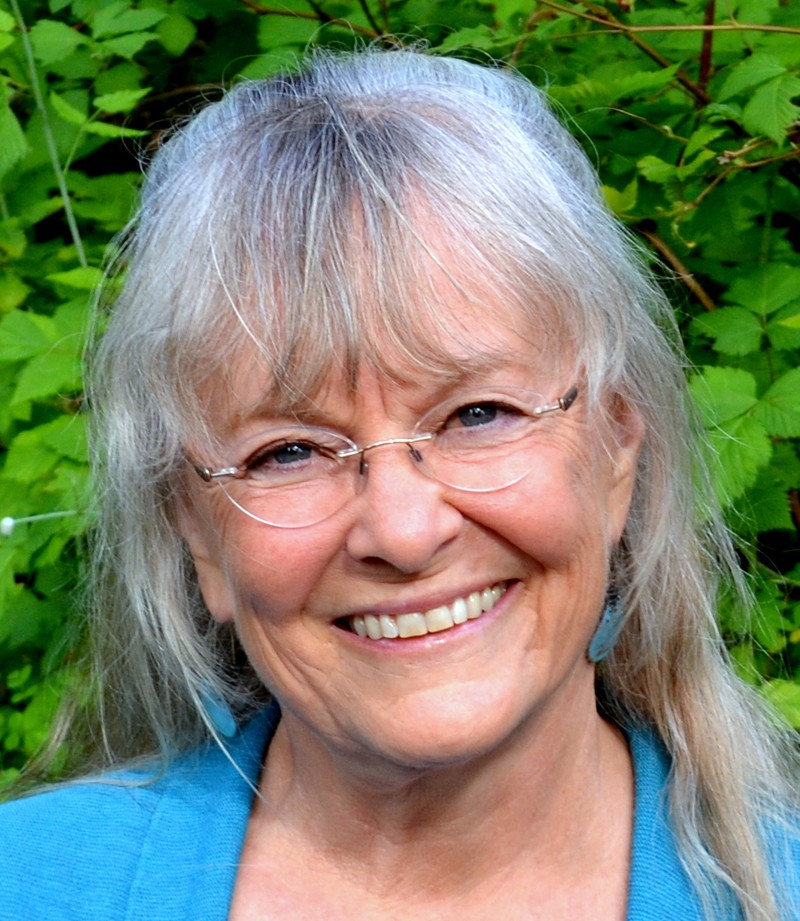
In 2025, RSF hired Hina Kumar and Mia Solberg to help manage a growing RSF portfolio. As we extend our values-aligned financing to more and more mission-driven businesses and nonprofits, we remain committed to the focus on relationships that allows us to work in true partnership. Growing our portfolio management team helps us maintain the hands-on support that has worked for RSF and our borrowers for 40+ years. We recently sat down with Hina and Mia to learn more about their approach to this role and what drives their work at RSF. These interviews have been condensed from their original form.
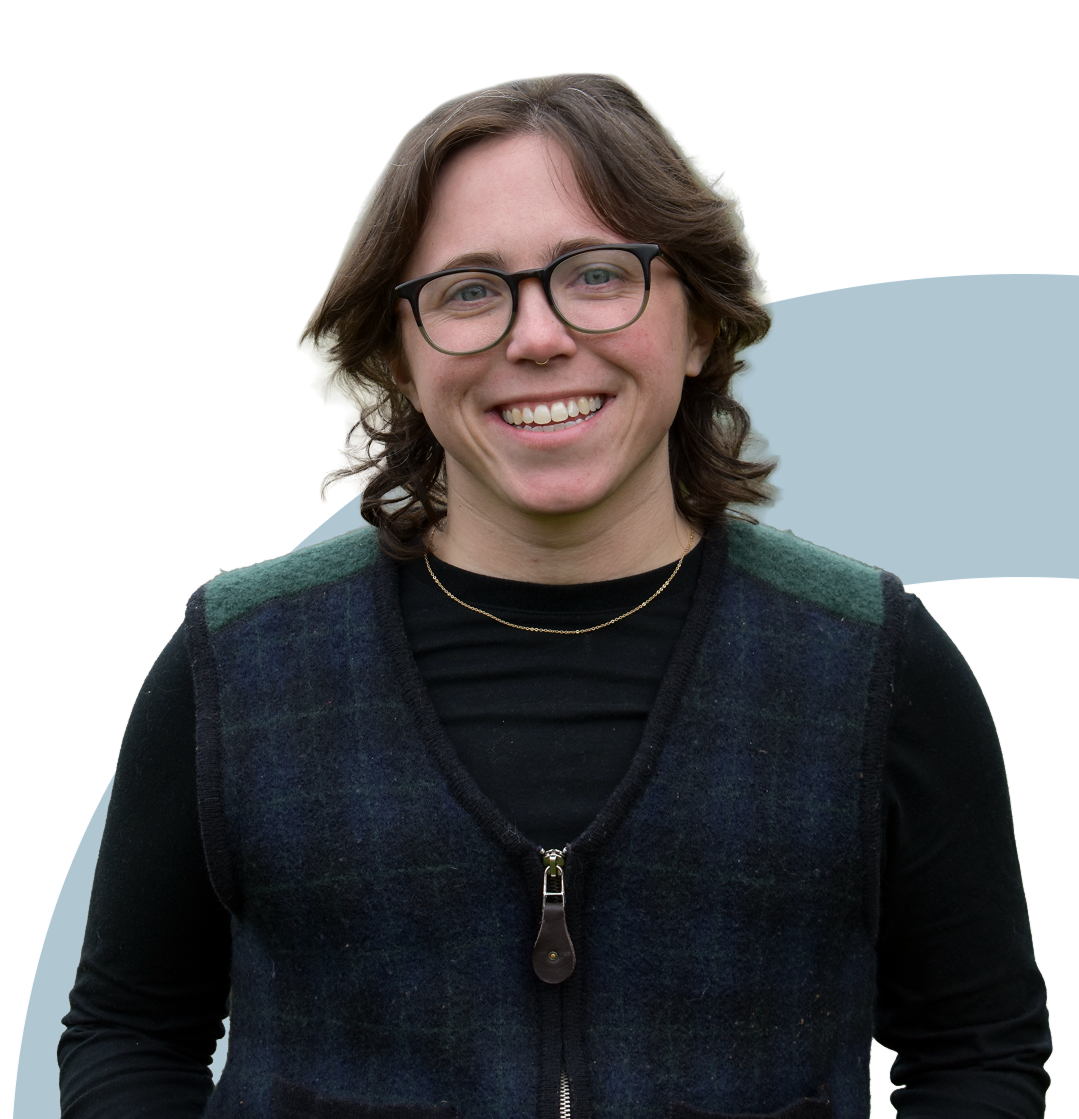
Mia Solberg (they/them)
What brought you to your role at RSF?
As an economics and business major and a feminist and gender studies minor, I bring a multidisciplinary lens to conversations in each field. Finance often uses restrictive language to exclude historically disadvantaged groups. After college, I first worked as a private equity research analyst, where I learned how to speak the language of finance. My role at RSF allows me to translate that language to people and organizations who have long been underserved or overlooked by traditional finance, and to work with them as a trusted financial partner.
What are your main responsibilities as a portfolio manager?
I manage a portfolio of several dozen borrowers. On paper, my role is to manage RSF’s risk exposure by ensuring borrowers are in compliance and are able to repay their loans on time. But it’s really about guiding them through the life cycle of an RSF loan, and beyond it into their long-term success. At RSF, we do this with care and collaboration, really understanding their model to make sure that RSF can remain flexible for the borrower and continue to offer the financial support they need.
How does RSF do finance differently?
One example is by offering smaller loan sizes than many other lenders. Banks around the world are doing less and less small business lending, because those loans are just as much work as larger ones, but bring in less money. It’s called “the missing middle” of financing. But those loans, and the businesses and nonprofits that use them, have so much potential for impact. We recognize this, and we’re willing to put in the effort to make those loans work at a price point our borrowers can afford.
Can you share one of your favorite borrower stories?
One of the borrowers in my portfolio is a sustainable, values based retreat center called The Guest House. They offer retreat space to other organizations committed to mindfulness, leadership, the arts, environmental education, and more. It’s a great organization, and their team is so communicative and proactive.
Since we first offered The Guest House a loan, we’ve had to make a few adjustments. For example, when they understandably had cancellations during the COVID-19 pandemic, we adjusted the terms of their loan to account for their unplanned loss in revenue until things evened out.
I think that speaks to how we do finance differently. If the needs of one of our borrowers change, we’re willing to be flexible so that our borrowers continue to get financing that makes sense and supports their impact.
What's something that surprises people about RSF?
That you can invest with as little as $1,000! Many other impact investors have minimum investments of $50,000 or more. RSF is accessible to a lot more people who want to contribute to a better economy.

Hina Kumar
What brought you to your role at RSF?
I originally started working as a teller when I was in college. I loved that job because I got to interact with people on a day-to-day basis and really understand their financial picture. After I graduated, I stepped into the commercial banking side – first as a credit analyst, then moving over to private banking and wealth management, then to mortgage lending.
Before I joined RSF, I wasn’t very familiar with impact investing. I had never worked at a mission-driven organization. I thought RSF would be a great way for me to align my professional experience with my own personal beliefs around money and finance.
Can you tell us more about those beliefs?
I’m really passionate about both how we manage our money, and where that money goes. And those aren’t things we’re always taught!
I want people to feel empowered about the decisions they make financially. Who am I supporting with my money? Am I supporting things I care about? And when I think about my retirement and the assets that I can invest in long term, are those things aligned with things that I value?
Those are some of the questions that inform my mentality around finance. I think RSF helps people answer those questions.
What’s different about the way RSF does lending?
As a portfolio manager at RSF, I collaborate closely with my colleagues to monitor our borrowers’ performance and support their success. That work requires a deep understanding of the industries in which our borrowers operate, and of their respective organizations. Because we’re willing to go that deep, we’re able to provide financing to organizations who wouldn’t be able to access it through other channels.
If your organization has a model that is outside of the box, it can be hard for traditional lenders to wrap their mind around it, because it’s not their focus. RSF has always been willing to say, we see that there's a market here and a need here. Our ability to understand complexity is where we excel.
What's a lesson that you think other lenders could learn from RSF?
I recently attended a “lenders circle” at a conference, with people from JP Morgan, East West Bank, and other more conventional lenders. What struck me is that we all spoke the same “lending language.” We just differ in how we approach complexity.
RSF and similar lenders are willing to understand complexity and structure financing accordingly, whereas larger institutions often shy away from it. When we explain that the type of lending we do isn’t inherently risky, it resonates.
If we want to make real impact, we need more lenders to do what we’re doing. And they’re interested. They just need a framework.
RSF's 2025 Financials: A Record Year
RSF’s total net assets increased by 16% from 2024 to close 2025 at $233 million. This was driven by our Social Investment Fund (SIF) closing 20 new loans worth $38.5 million, which left us with a year-end portfolio balance of $133 million funded out of a $143 million commitment.
SIF investors made this possible by growing the fund to more than $157M by year-end 2025, 17% or $23 million larger than 2024.
Our DAF supporters continued to give generously, contributing a record $78 million in 2025, double the giving undertaken in 2024. And they actively deployed $50 million in philanthropy during the year.
Consolidated Statement of Financial Position
Consolidated Statement of Activities & Changes in Net Assets
Dollars in thousands. The Statement of Activities has been segmented into primary sources of revenue and expense. For full disclosure, please refer to the 2025 audited financials.