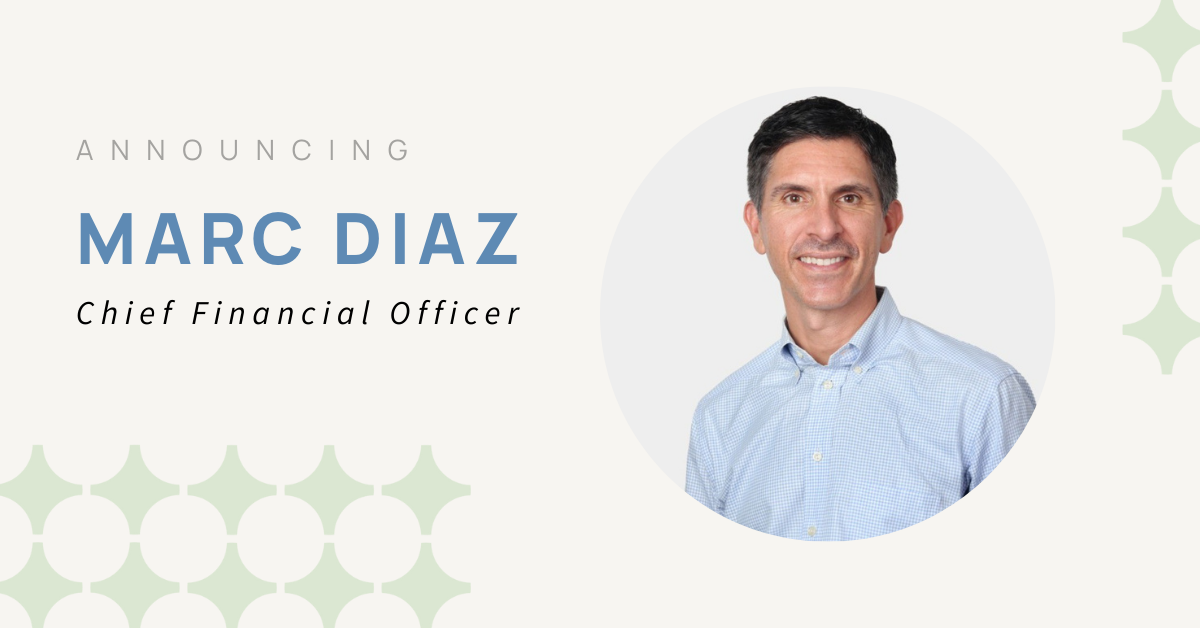
As CFO, Marc is in charge of making sure that RSF’s capital stack and finances are as robust and regenerative as the financial system we’re building in the wider world. Our CEO Jasper van Brakel recently sat down with Marc to learn more about what drew him to RSF, his approach to this leadership role, and his vision for RSF’s future.
Jasper: Welcome to the team, Marc! Can you tell us what first drew you to RSF?
Marc: RSF’s integrated approach to raising and deploying capital really stood out to me. Many impact investors screen deals for impact, but stop there; RSF goes further by working to truly understand and support regenerative businesses. By going deeper with borrowers, RSF both learns the impact those borrowers have today, and identifies ways we can help them amplify their impact in the future.
In my previous role, I was in charge of growing the reach, market share, and impact of a regenerative agricultural business. One of my biggest challenges was finding financing that helped us grow, without creating additional hoops we had to jump through. Coming from this perspective, I’m struck by how RSF helps borrowers with financing that supports fair pricing, sustainable supply chains, and affordable products. RSF meets businesses where they are – and helps them grow in alignment with their values.
At the same time, RSF offers investors a way to grow their capital while contributing positively to communities and natural systems. That helps shift expectations across the broader financial system about what money can actually do. That mindset change is what makes this model so powerful.
Jasper: You have a wealth of experience as an impact investor and social enterprise leader. Can you walk us through how you got to this point in your career?
Marc: Early in my career, I noticed that many promising ideas stalled because organizations were limited by shoestring budgets. New ways of working often required new sources of capital.
At McKinsey, I worked with organizations like LISC, Living Cities, the Canadian government, and the City of Washington, DC to build public–private partnerships that unlocked investment for community-serving real estate – small business spaces, health clinics, and public places where people could gather and connect. These projects generated solid financial returns while also creating meaningful community benefits.
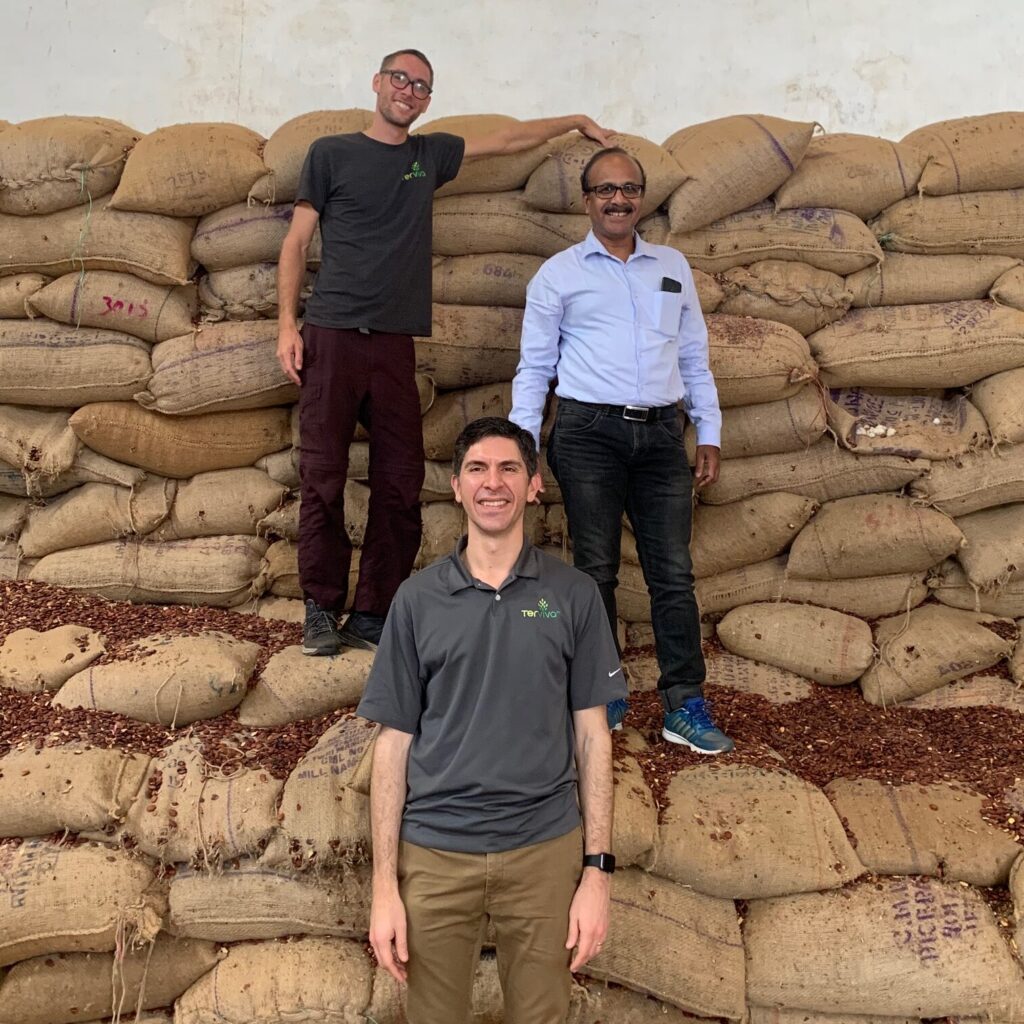
Later, I launched NatureVest at The Nature Conservancy, where I was able to build portfolios that focused on nature-based investments like forests, wetlands, and other natural resources. Unlike industrial assets that lose value as they age, natural assets appreciate with time – but their value is often overlooked by traditional finance. I deepened this focus on nature-based investments at Terviva, where I helped build a portfolio of tree-based food and energy products, showing how regenerative agricultural systems can create value across an entire business.
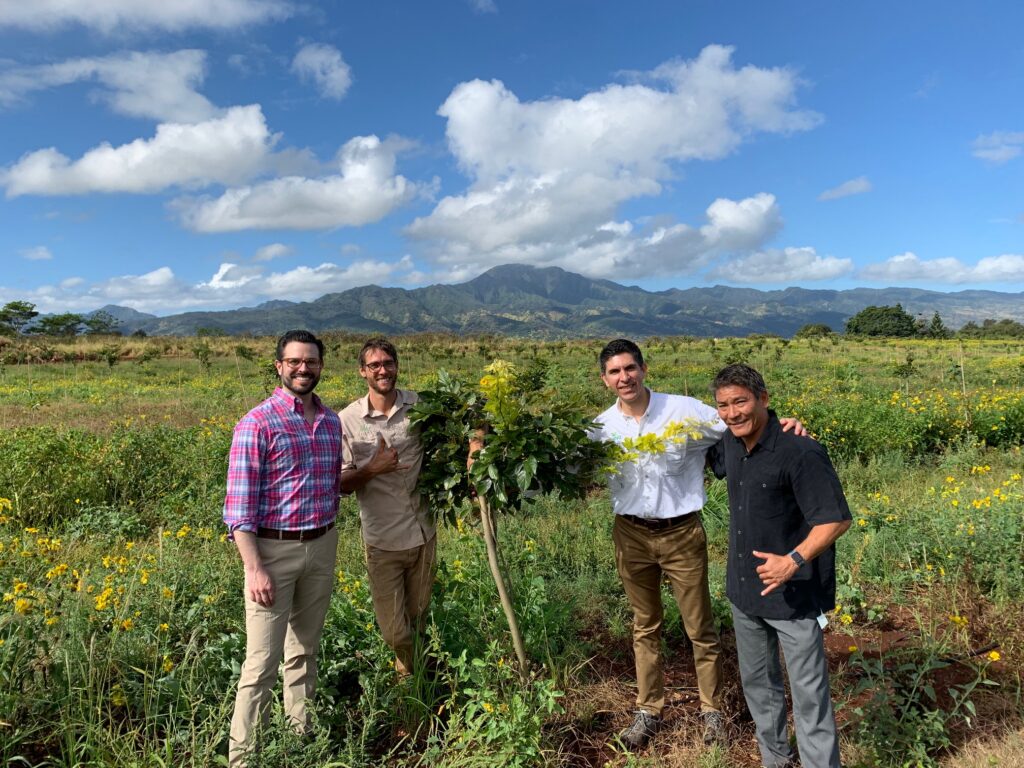
Throughout my career in urban development, conservation, and agriculture, I’ve seen how the right type of financing is critical for supporting thriving systems. RSF calls that “right type” of financing regenerative finance. It makes sure the highest-impact businesses and nonprofits can access regenerative finance. And it’s working to build a financial system where regenerative finance is the norm. Joining this team feels like a natural next chapter.
Jasper: When we first met, I was struck by how you speak about the identities you hold. Can you tell us more about how your identities show up in the work you do?
Marc: As a child, I appreciated how my mom stretched a single parent-income to provide the essentials for me and my brother. She invested in our education – and her own – to grow as a person and as an earner. She was able to do this because of social supports like affordable student loans, free and reduced lunch for us, and the earned income tax credit. I took advantage of similar supports as I launched my own career, and personally appreciate how investing in social services leads to long-term, generational impact for working families.
When I was working at Terviva, I was responsible for ensuring our frontline agricultural nursery and field colleagues – most of whom were Latino, Spanish-speaking, and immigrants to the United States – could access benefits, build career pathways to higher salaries, build technical and management skills, and participate as full business owners. Opportunities like these help people feed their families, invest in their children, and build generational wealth. But too often, they’re denied to people who aren’t white, don’t speak English natively, or were born outside of the United States, especially in primary industries like farming.
As a Latino, I’ve experienced feeling different than the other “business people” in the room. It means a lot to me to ensure Latinos, and other underrepresented people, can participate in every aspect of business life, and that diverse perspectives are not seen as a weakness but welcomed as a strength.
I also show up as a gay man, who has fought for marriage rights and equal consideration under the law. Too many Americans struggle to access health care, contribute to the workplace, or participate in school because of their gender, their race, their sexual orientation, the way they wear their hair, or the way they express their identity. I see a direct connection between these identities and my career in regenerative finance – a form of finance that honors the rights, dignity, and potential of everyone to contribute to a thriving system.
Jasper: As CFO, you’re in charge of ensuring RSF’s financial health. Why is financial health so important for a mission-driven organization like ours?
Marc: RSF connects investors who want to have a deep, meaningful impact with business and nonprofit leaders solving our world’s most complex problems and supporting thriving communities. If we grow our resources at RSF, more entrepreneurs and leaders will access capital that sustains the jobs and infrastructure that enable communities to thrive over time. While I’m excited about growing RSF’s financial resources and impact, that growth has to be supported by strong systems across the organization.
Strong systems help us show up consistently for borrowers, funders, and one another, even in uncertain times. When they’re running well, they reduce the friction that blocks us from achieving our greatest impact; when they’re running great, they unlock forms of impact we couldn’t achieve otherwise. I’m looking forward to working closely with colleagues across RSF to plan for, monitor, and manage our resources thoughtfully so we can deliver positive impact over the long term.
Jasper: What does success look like for you after a month? A year? Five years?
Marc: In my first month, success looks like listening – learning from staff, donors, investors, and borrowers about why RSF matters to them and how it shows up in their work and lives.
After a year, I hope those conversations have helped us sharpen how we deploy capital and deepen our impact, while welcoming new participants into the RSF community.
In five years, I’d love for RSF to be widely recognized as a thriving example of regenerative finance – expanding our reach to new places and partners and helping build more resilient communities and natural systems along the way.
Jasper: RSF’s mission is to change finance and finance change. What does it look like to you when we’ve achieved that mission?
Marc: We’ll be changing finance when others embrace the questions RSF asks about impact, accountability, and regeneration, and when those values show up more broadly in financial decision-making across the financial system. We will be financing change when we bring more sustainable business models to more people and places.
Right now, RSF is unique. If we’re truly successful, RSF will be the norm. I hope to see a future where RSF is just one of countless organizations that use capital to regenerate communities, ecosystems, and human potential around the world.
Want to join our movement to change finance and finance change? Learn more about investing with RSF, opening a donor-advised fund, or applying for a loan for your social enterprise.