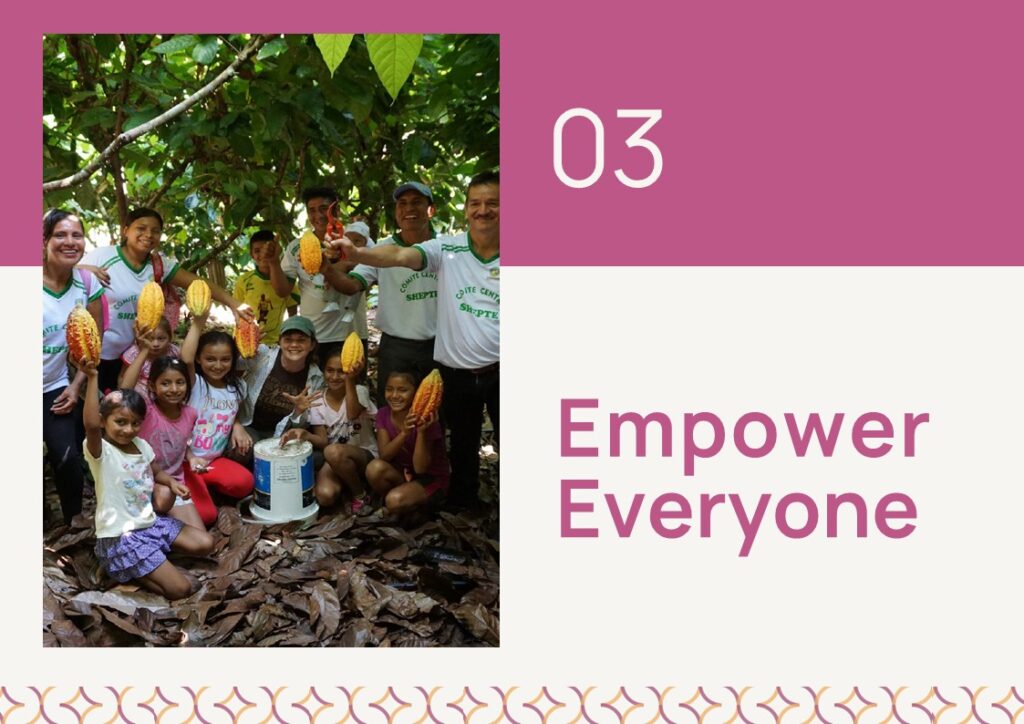
This blog series breaks down each of the five principles that guide our work in regenerative finance. Here, we’re covering the third: Empower Everyone.
Traditional finance is rooted in a strict hierarchy: the more resources you accumulate, the more power and access you have to accumulate even more.
Too often, racist and classist power structures shut people out of that hierarchy and block them from the benefits of the conventional finance system. People who don’t have as much are more likely to be unbanked or underbanked, less likely to access credit, more likely to be charged high interest rates when they do, and less likely to own property that builds generational wealth.
This is fundamentally unfair. As an alternative, regenerative social finance intentionally seeks out innovative ownership and organizational structures that empower everyone in the financial system, not just those at the top. Those structures provide everyone with equal access, collective agency, and a fair shot at success.
One such structure is a cooperative: a powerful economic model that bakes mutual, collective empowerment into the business model. RSF invests in several organizations, which are owned by employees rather than shareholders or high-ranking individuals. We support this model that democratizes the power of decision-making and put profits in the hands of many, instead of just a few.
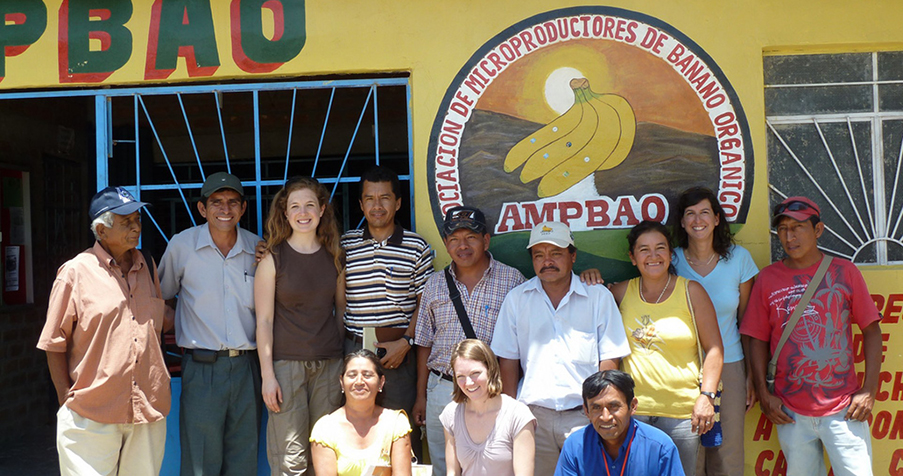
One cooperative we’ve worked with closely is Equal Exchange. Since 1986, they have sourced high-quality coffee, tea, chocolate, produce, and more from over 40 small-farmer cooperatives in 25 countries around the world, enabling small communities to gain critical market access and reinvest profits in their own communities.
Equal Exchange itself is structured as a cooperative, meaning that its employees enjoy partial ownership of the business – and have a meaningful say in how it’s managed. Equal Exchange’s “citizen consumers” can also contribute to the business by participating in webinars and monthly meetings and even sitting on the business’ board of directors.
Compare this to a traditional coffee or chocolate company, which squeezes as much profit as possible from the bottom of the supply chain and delivers it to the shareholders who sit at the top. At every stage, Equal Exchange is committed to distributing power to people that wouldn’t have it in a traditional business hierarchy.
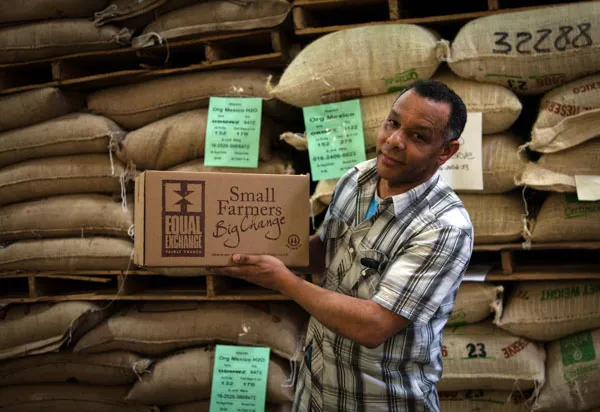
RSF first supported Equal Exchange with a loan in 2014. We deepened our partnership by helping their employees establish a donor-advised fund (DAF) in 2017. Starting with a donation from its worker-owners, Equal Exchange’s DAF has grown into a substantial fund that empowers small investors, donors, employees, farmers, business leaders, and consumers to meaningfully collaborate in building more equitable farming structures – supporting everything from crop diversification to quality control training to women’s leadership development.
RSF is proud to champion Equal Exchange’s work to create mutually beneficial relationships between farmers and consumers. We’re equally proud to support several other cooperatives and alternative ownership structures that spread the benefits of regenerative finance to as many people as possible.
Want to build a financial practice that truly empowers everyone in the financial system? Invest with RSF, open a donor-advised fund, or apply for a loan from RSF.
And if you’d like to learn more about RSF’s support of alternative ownership, sign up for our webinar “Alternative Ownership 101” on February 11!