Blue Forest is a non-profit conservation finance organization that brings communities, finance, and science together to restore and protect our forests and watersheds. RSF invests a portion of our DAF Liquidity Fund – the portfolio in which donor-advised fund assets are held before they’re granted out – into Blue Forest’s Forest Resilience Bonds.
At RSF, we talk a lot about the organizations that we actively invest in through our Social Investment Fund – loans supported by our community of more than 1,100 impact investors. But that’s not the only capital we’re activating for impact. If you have a donor-advised fund with RSF, your money is supporting Blue Forest’s vital work to restore forest ecosystems and prevent devastating wildfires.
Learn more about our partnership in the conversation below.
RSF: Can you tell us a little bit more about Blue Forest?
Zach Knight, CEO: Blue Forest has been around for 11 years, and I am one of the five co-founders. We have a staff of just over 50. And our mission is to accelerate ecological restoration through conservation finance, improving climate resilience for ecosystems and communities.
We bring in capital from insurance companies, impact investors, and foundations to cover the upfront cost of doing ecological restoration. At the same time, we work with utilities, corporations, and local governments to model and quantify the many benefits of resilient forests and watersheds, enabling them to contribute funding to restoration projects that matter most to them and their stakeholders. The restoration work reduces the risk of catastrophic wildfire while supporting waterflows, sedimentation, clean air, and all these other great benefits you get from a healthy forest.
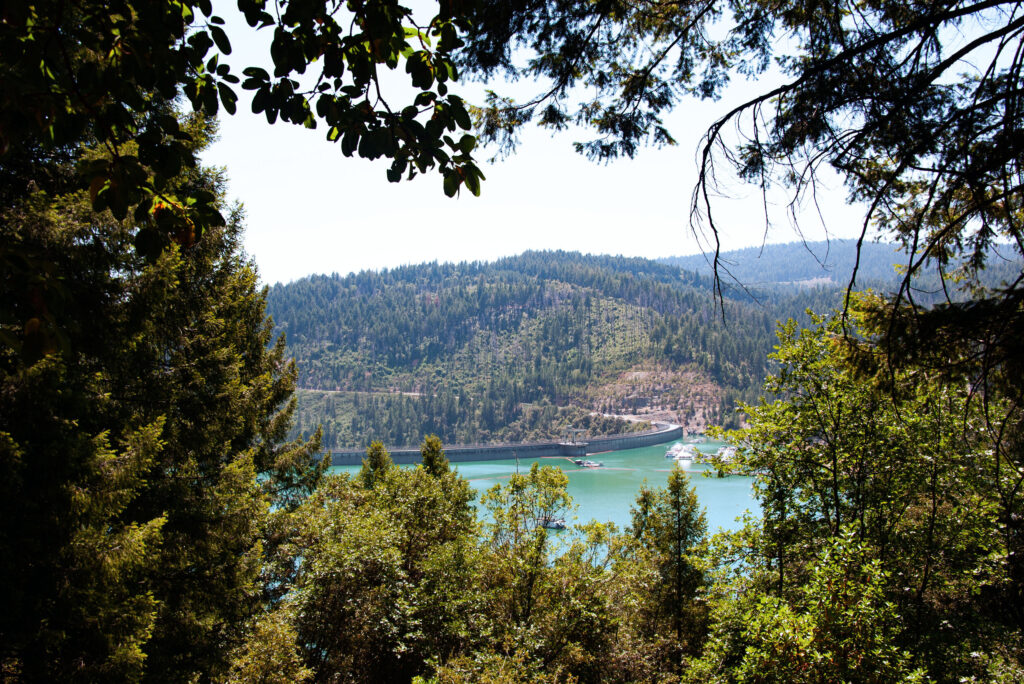
We work across Washington, Oregon, and California, with the majority of our projects in Northern California. The Yuba II project, which is what you finance, is in the Tahoe National Forest, a little bit northwest of Lake Tahoe.
RSF: And what does ecosystem restoration look like on the ground?
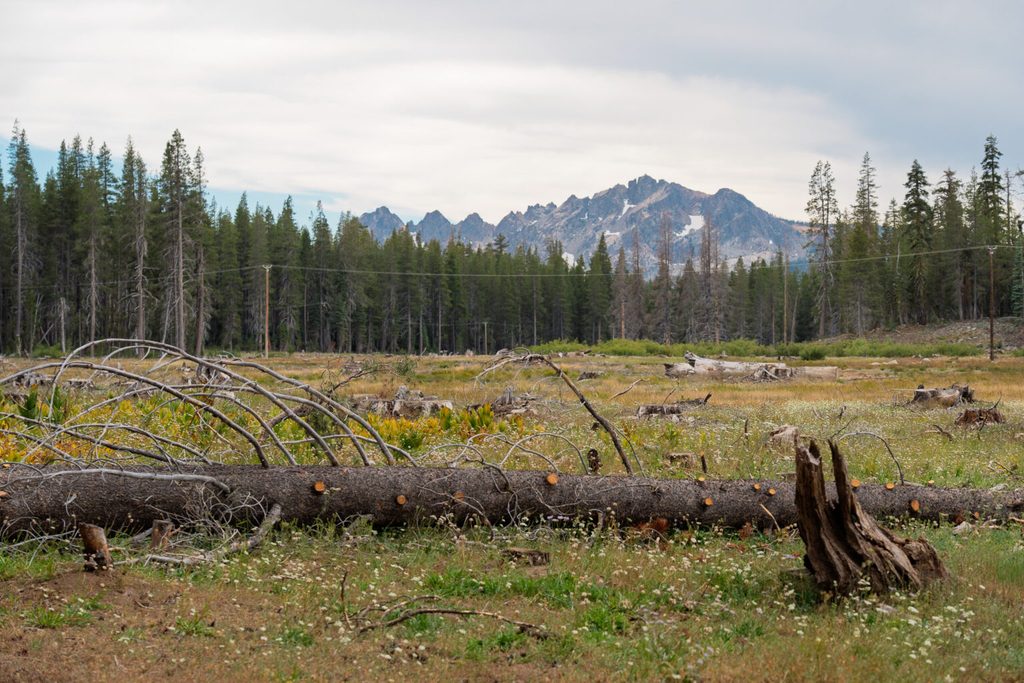
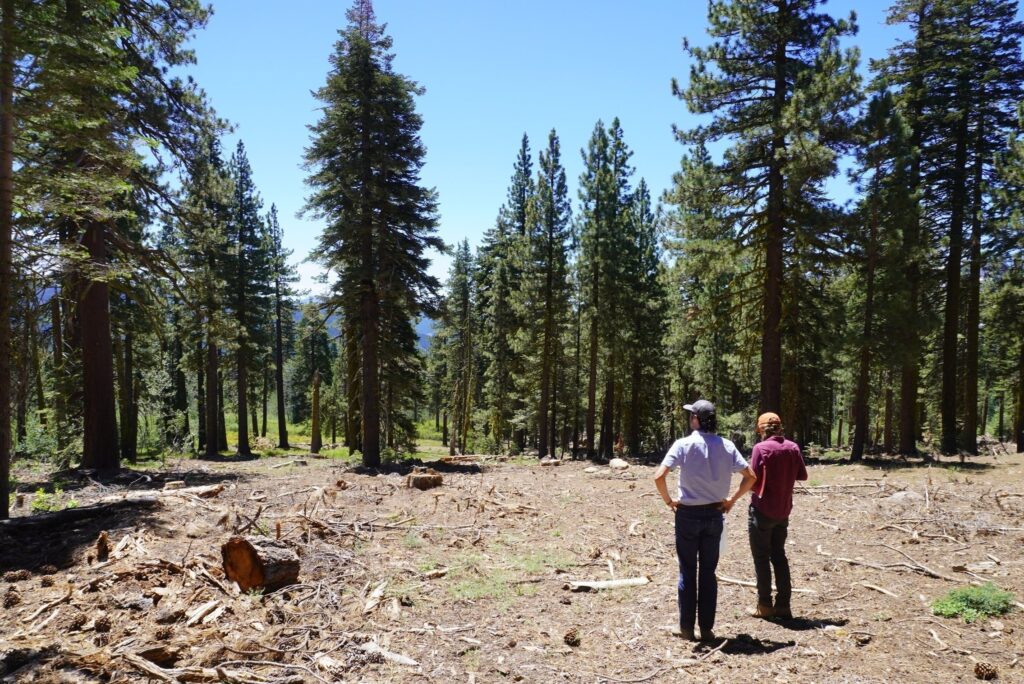
ZK: Most of it is going to be thinning out excess vegetation, so going in and cutting out some of the smaller trees that act as ladder fuels for the devastating wildfires that we’ve seen so much of here in the Western United States. Once the understory is thinned, controlled burns are used to reinvigorate the natural fire cycle.
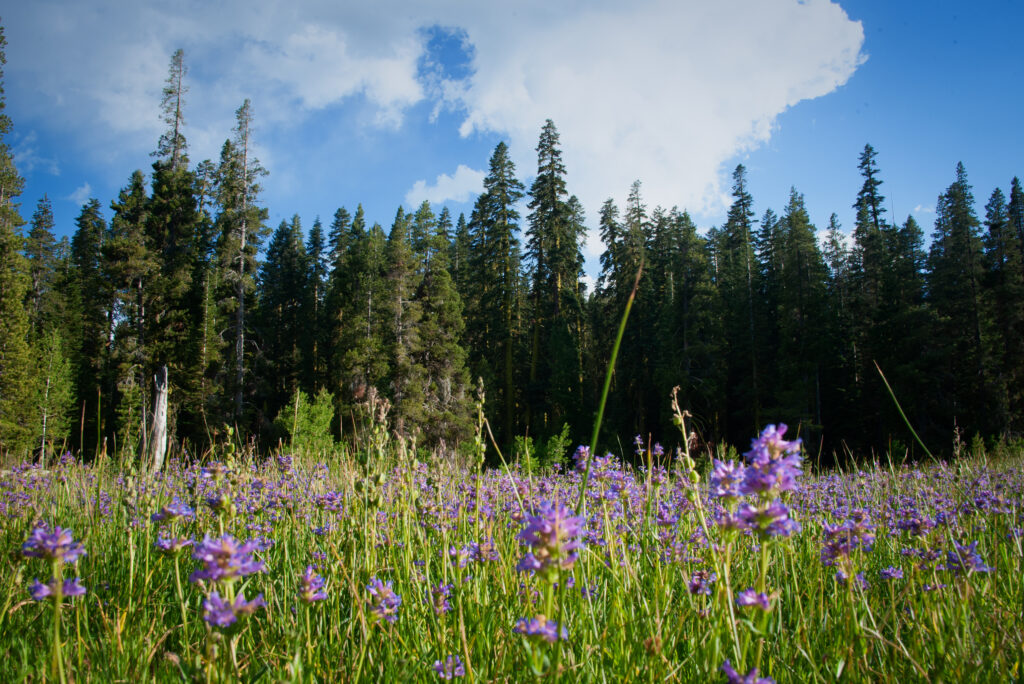
Our partners also do meadow restoration, where you might see things like conifer removals to prevent encroachment or beaver dam analogs to restore natural stream systems. Beaver dam analogs place some downed small trees in the river system to create small pools and trap sediment. That causes those systems to stay wetter longer and raise up the water table. It’s great for both biodiversity and fire risk reduction.
In the places where we finance restoration treatments, it’s not if a fire happens, it’s when a fire happens. So we really want these landscapes to have low-intensity natural fires as compared to the devastating, large-scale fires that we’ve seen today.
RSF: It’s a little bit counterintuitive to intentionally set blazes in order to manage the risk of wildfire. Can you explain that?
ZK. Yeah, absolutely. This is such a great question. I spend a lot of time with people who ask, “Wait a minute. You cut down trees and start fires?”
A good way to think about this: before European colonization, you would have seen forests that would have 40 to 80 very large trees per acre, with a mix of species and a mix of spacing. Indigenous Peoples across the West shaped their landscapes with cultural fire, using intentional burning to reduce fuels, which, in turn, reduced wildfire risk and created a naturally balanced ecosystem. In fact, Indigenous burning generally kept tree density to about ⅓ of what it is today. There were much fewer trees, but they were bigger, provided better habitat, and were much more resilient to wildfire.
Now, we have forests with up to 20 times as many trees per acre, and often times less or the same amount of biomass. That means that we have many more smaller trees that act as ladder fuels. They cause what would be a safe, restorative, natural ground fire to come up into the canopy and become a devastating crown fire that spreads quickly and burns hot.
In a typical project we support, you’ll have groups cutting out that understory, creating piles, and then coming back when it snows and burning them at a time when it’s safer to do so. You might also see them remove some larger trees to get us back to the right density or open up spacing.
RSF: Beyond preventing catastrophic forest fires, what are the other benefits of this type of forest management?
ZK: Reducing carbon emissions is a big one. If wildfires were a country, they’d rank among the world’s largest polluters, and our landscapes are holding highly unstable carbon. Management can stabilize it, even raising storage to or above current levels, instead of letting it escape all at once as fire. Healthier forests also keep sequestering carbon rather than losing it in a single event.
Water is another major benefit. Dense forests use a lot of water, so thinning sends more rain and snowmelt to streams, aquifers, and reservoirs, and open stands hold snowpack better and release it more gradually. High-severity fires, meanwhile, scorch soils so they repel water, washing ash and sediment into rivers and reservoirs, which raises treatment costs and threatens drinking water. Managed forests burn less severely, keeping streams cleaner and reservoirs clear.
Wildlife benefits too. Many species evolved in open, diverse forests with mixed age classes, meadows, and clearings, not today’s dense, uniform stands, which invite pests, drought die-off, and poor habitat. Restoring that structure helps everything from pollinators and songbirds to elk and deer, and protects habitat from catastrophic burns.
Then there’s air quality. Wildfire smoke drives asthma attacks, heart and lung problems, and hospital visits, often hundreds of miles from the fire. Prescribed fire and thinning produce far less smoke, and can be timed for good dispersal with advance warning to communities. A wildfire gives us no such control.
RSF: Can you explain the difference between land conservation and land restoration?
ZK: Conservation specifically means protecting the land from development – for example, buying land, removing the development rights, and giving it to a land trust – which may or may not come with ecological management. Restoration, on the other hand, are management treatments you do to encourage ecological uplift. You don’t need one to have the other, but these approaches can work hand in hand.
RSF: Who are the partners involved in your work?
ZK: There are three key pieces of the Blue Forest ecosystem: finance, science, and collaboration.
On the finance side, we bring together impact investors, insurance companies, and foundations who provide the upfront capital to finance restoration work. On the science and collaboration side, we build partnerships with land managers, utilities, corporations, local governments, funders, communities, non-profits, and Native Nations to unlock place-based restoration at a pace and scale that no single organization could achieve alone.
We work hand-in-hand with utilities, local governments, and corporations to connect them with projects most relevant to their organizations and stakeholders, creating opportunities for them to provide funding based on the benefits they receive. We work with Native Nations to promote co-stewardship, incorporate Indigenous Knowledge into our science to ensure we are assessing impacts to lands, culture, and communities, and ensure our Forest Resilience Bonds have tribal consent. By breaking down silos, we’re bringing together organizations that may never have worked with each other before around a shared, mission-aligned vision.
RSF: You’ve seen a lot of success in your work. But the scale of the challenge is massive. What would it take to drive even more interest – and more funding – into this vital restoration work?
ZK: The first thing is trying to get people more engaged locally, wherever they are. Get to know your local resource conservation district or Fire Safe Council or nonprofit working on these issues. It’s that community involvement that helps these projects get started.
There’s also a huge opportunity to fund the science that allows us to get all these parties on board. It helps us answer sticky questions around, say, what are the actual benefits to a utility company? If we don’t have those pieces, we don’t have utility commitments and we don’t have additional funding for the project.
And in terms of commercial investment, there are growing fields of fire and resilience technology that didn’t exist five years ago. We’re huge users of technology at Blue Forest, and it’s commercial investments in these emerging technologies that will drive frontier models into the mainstream.
RSF’s investment in Blue Forest is directly supported by our donor-advised fund clients. Learn more about setting up a donor-advised fund at RSF here.